How to Shoot a Floater in Basketball (And When It Becomes a Runner)
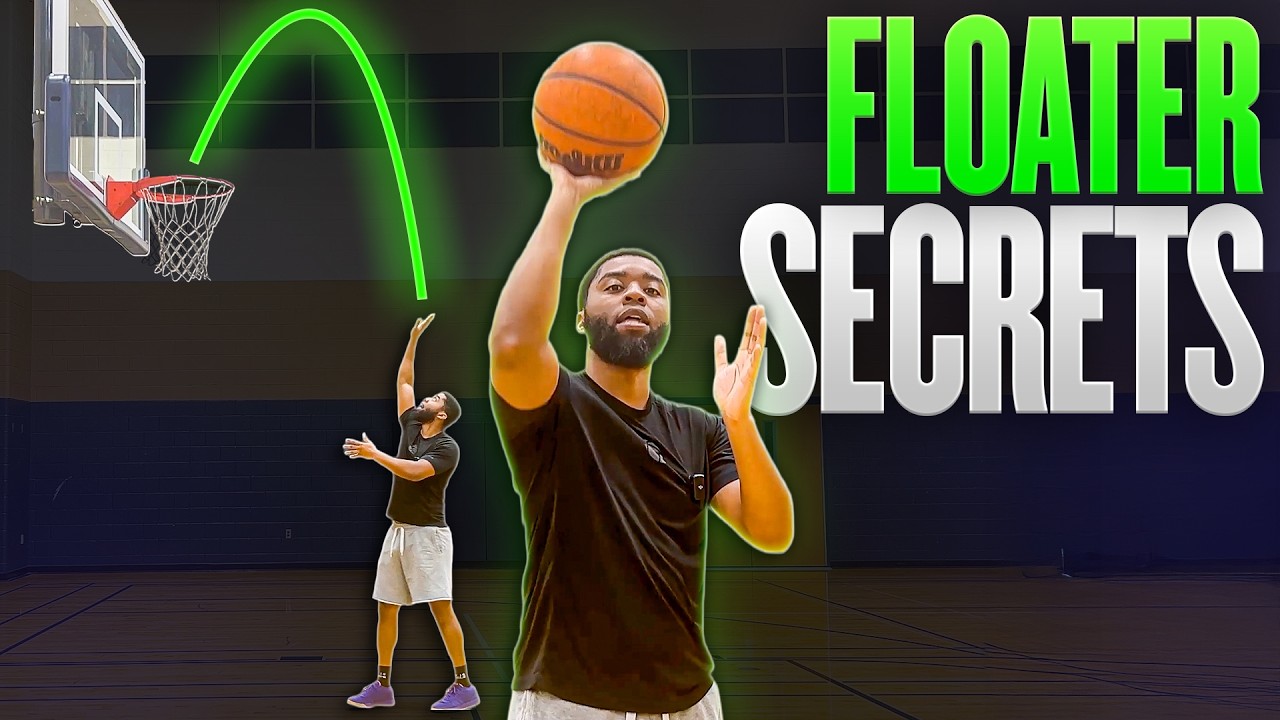
Your floater is not the same shot as your jumper. Coach Meech starts there because a lot of players walk into the paint, go up like a regular jump shot, and just send it super high. That's still a jumper. The floater has its own finish.
The guide hand has to come off the ball so it becomes a one-handed push. You need touch, an open palm, and the ball coming off the right fingers. Then you can decide if you want that quicker, lower release or if you're jumping higher and keeping two hands on it a little longer.
If you're trying to learn how to shoot a floater in basketball, those details matter more than copying a highlight. Meech walks through the finish first, then a simple drill in front of the rim, then the runner, which uses a different wrist.
Need help deciding what to train next? Find your training strategy with our free training quiz.
Take the guide hand off
When you get to a floater, the guide hand comes off so you can push with one hand. That can happen early, a little lower, or a bit later if you've got a more extended finish or set point. Either way, the hand has to come off before you get into that push.
Keep both hands on it like a jumper and you're back to shooting the wrong shot in the paint.
High-five the air
Meech tells younger players, and anyone learning this for the first time, to think about high-fiving the air. Finish with an open palm. That soft touch is what lets the ball go up nice and high, then drop straight down.
A lot of beginners can't leave the wrist alone. You're so used to flicking it every time the ball hits your hands that an open palm feels wrong. Other players open the hand, then it drifts left, right, all over. You want a strong open-hand finish and the ball going up and dropping.
The release still has to feel a little like a jumper, though. The ball comes off your fingertips last, not your palm. Meech doesn't want it coming off flat from the middle of the hand. Let it roll off the fingertips so you keep some touch and control.
Index finger and middle finger last. Those two help you direct it toward the rim. If the ball comes off your pinky instead, it starts leaking left or right, and you lose that control.
When does the guide hand come off?
It depends what kind of finish you're going for.
If you're thinking like Trae Young, you need a quicker release. Trae isn't a real big jumper. Meech's line is he isn't trying to jump 40 inches off the floor. He's trying to get the ball up quick. Hand comes off earlier, lower release point, still an open palm, and the ball goes up and drops.
Players with a little more athleticism, Meech points to Ja Morant and Derrick Rose, are taking off to get higher. They extend the set point, which means both hands stay on the ball longer so they can control it. Jumping way up, taking one hand off early, and then holding it with one hand doesn't make a lot of sense. Take off with two hands. Once you get to that point, the guide hand comes off and you finish with the little push, that touch over the top of the defense.
One foot or two feet, same idea. Want the quicker finish? Hand off earlier so you can release faster. Want to jump higher? Keep the hand on a little longer, then finish with the soft touch. Open palm either way.
Meech's personal pick for the best floater ever is Derrick Rose, mostly for the versatility. Off one leg, off two feet. Sometimes 20 feet from the rim, still getting those shots over two or three defenders. He asks who you'd pick. That's his.
Crossovers into the open-palm finish
The drill is simple. Get right in front of the rim, around that first hash mark. Not underneath it.
Get nice and low. Two or three crossovers. On the last one, pick the ball up and go right into the open-palm finish.
Don't think about barely clearing the rim. Get the ball nice and high so it can go over a defender who's jumping to block it.
Sitting still and only practicing the finish makes it too easy. The crossovers are just there to challenge the pickup. Mix the footwork if you want. You can go one-two into a one-foot floater, or one-two and drop to two feet, then get into that quick floater in front of the rim.
Want more time on the crossover itself? See basketball crossover drills.
The runner uses a different wrist
The second type of floater is what Meech calls a runner. The difference is the wrist.
Floater: open palm. Runner: you drop the wrist down a little. Some players flick it all the way, depending on the distance, and Meech says that's fine. Runners are typically taken a little further away, or you're going at an angle, so you need more control on the finish. That's where the flick comes in.
Ja Morant and Derrick Rose can switch between the two. When they're taking runners, they're jumping super high and often a little further from the rim. Meech mentions shots almost a step below the free throw line. Bigger distance, more control, more wrist. Sometimes the angle is awkward and they're running away from the rim, trying to kiss it off the backboard and have it drop.
How high you're jumping, how far you are, and the angle you're at all change how much control you need.
The release itself stays the same. Middle finger and index finger last, off the fingertips, so you can send it up, keep it straight, and let it drop.
Steve Nash is the example Meech uses for more of a one-foot shot. That's still a runner because you're going off one foot, getting into the paint, and having to get the ball super high. In his words, it's more of a regular jump shot, just shot higher in the air, still straight, still dropping down.
Rip from the elbow and finish off the glass
Pick an elbow. Rip and get outside the lane line, outside the block, and shoot it with your inside hand. Left elbow, you rip and drive right, then the shot is with your left.
Once you're outside the block, you're fading, running away from the hoop. Jump off one foot. Finish off the backboard. That takes extra touch, and this is where you flick the wrist a little more so you get that kiss off the glass and it drops.
An elite floater matters for players who like to drive and get to the rim. You still have to get past your defenders first to get to the shot, so you need the handle.
For work on creating that drive, see how to get past defenders. The eurostep is another way to finish once you're already in close. More on the pickup and the plant is in weak hand basketball drills and basketball footwork drills.
FAQ
Is a floater just a really high jump shot?
Meech says no. A lot of players get in the paint and shoot their regular jumper, only higher. The floater is a one-handed push once the guide hand comes off, finished with an open palm.
Why does he say to high-five the air?
That open-palm finish is how you get soft touch, so the ball goes up and drops. If you always flick the wrist, or the hand flies left and right, the ball won't come off clean.
Which fingers should the ball come off?
Index and middle, and off the fingertips, not the palm. Let it roll off those two so you can still steer it to the rim. Off the pinky, it starts drifting.
When should I take my guide hand off?
Earlier if you want a quicker, lower release, the way Meech describes Trae Young. A little later if you're jumping higher, like Ja Morant or Derrick Rose, so you can keep two hands on it until you get to your set point.
How is a runner different from a floater?
The wrist. Open palm on the floater. On the runner, you drop or flick the wrist because you're usually further away or at an angle and you need more control. The fingertips still finish the same way.
Where should I stand for the floater drill?
Around the first hash in front of the rim, not underneath. Two or three crossovers, pick it up on the last one, and go into the open-palm finish. Get the ball high enough to clear a jumping defender.
What's the runner drill from the elbow?
Rip, get outside the block, and shoot with your inside hand while you fade away from the hoop. One foot. Finish off the backboard with a little more wrist so it kisses the glass and drops.
Find your training strategy
The finish is one piece. Getting there is another. Want help choosing what to work on next? Take the free training quiz. Find your training strategy.