Thumb Flick Basketball: Is It Hurting Your Shot? 7 Shooting Myths
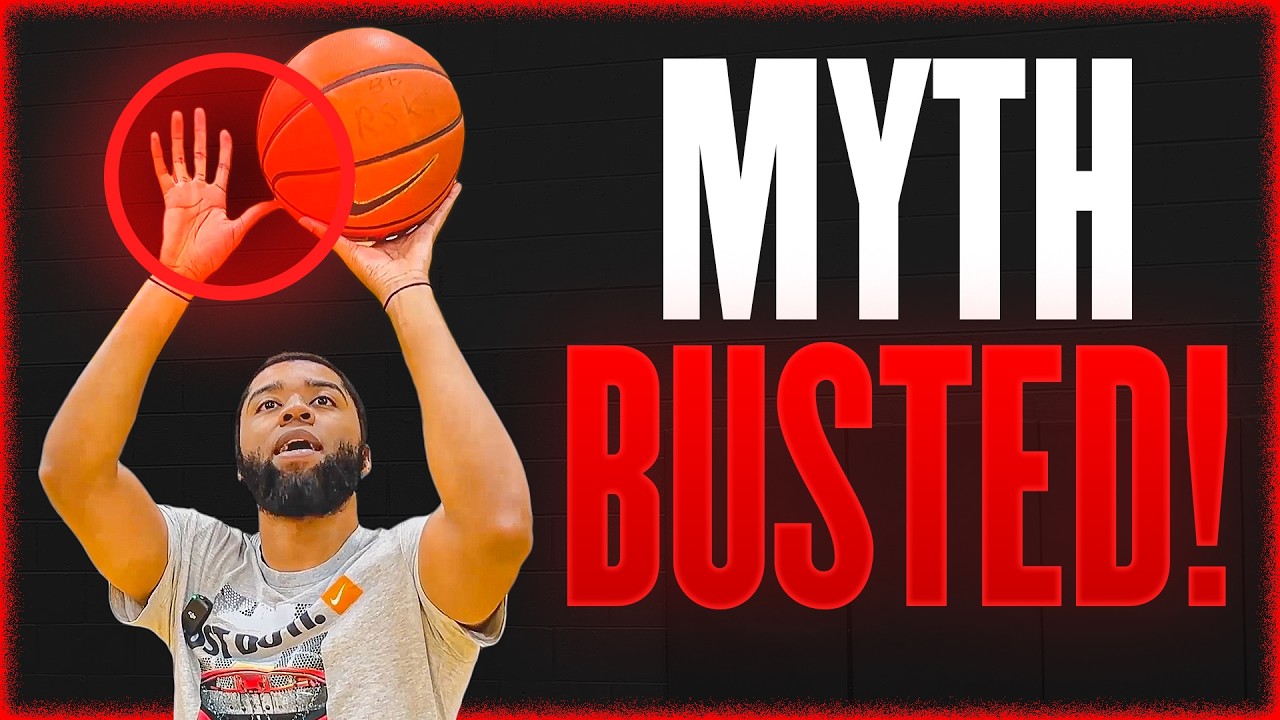
Some shooting clip online has probably told you a thumb flick will ruin your jump shot. Coach Meech starts this video with that exact question, plus one more: do you need your elbow super tucked in to be an elite shooter? Then he goes through seven of the most common shooting myths and tells you which ones are real and which ones you actually need to fix.
A couple of them aren't full myths. He just thinks they get taught wrong.
Not sure what to work on first? Find your training strategy with our free training quiz.
Thumb flick basketball: early or late
The usual thinking: you want to shoot the ball as straight as possible, and a thumb flick means your guide hand is pushing it, so the ball curves left or right.
Meech calls that the myth. Watch some NBA players, or some of the great WNBA players, and you'll see a thumb flick in their shot. The difference between theirs and a lot of yours is timing. Their thumb pushes the ball and comes off early. The last hand to touch the basketball is the shooting hand.
So you only need to fix it if it shows up late. If the flick happens at the same time as the release, or after, it's actually influencing the ball and pushing it right or left. That's when you adjust. If it happens earlier and your shooting hand is still the last thing on the ball, you don't necessarily need to change anything. He points to Caitlin Clark and Kyrie Irving as great shooters who still knock down shots with that thumb flick.
Not sure where your guide hand goes in the first place? That's in our basketball shooting hand placement post.
The elbow, and "shoot it the same every time"
A lot of people love to tell you to tuck your elbow into your side really tight, so when you raise it, it's straight and going toward the rim. "That's not necessarily true," he says. Over tuck it and then try to lift the ball, and you put too much tension in your shooting side shoulder. Your wrist ends up in an uncomfortable spot. Now everything about the shot feels unnatural.
He wants you comfortable. Nice and relaxed. Wrist underneath the basketball, elbow in a spot that feels right. Not flared way out either, because then the ball goes in different directions.
Here's the part people miss. When you flick your wrist, your elbow straightens out naturally and everything goes toward the hoop. He mentions Devin Booker and Damian Lillard, whose elbows straighten out at the end of the jump shot even if they weren't all the way tucked at the start. The real problem is an elbow turned out to the side at the top of the shot. That one won't straighten when you push. The ball goes left or right, and you end up overcompensating in other ways.
Myth three is shooting the same shot every single time. He doesn't throw it out. He just thinks it's taught wrong, because not every shot is the same shot. A wide open stationary catch and shoot off a swing pass gets shot one way. A fadeaway from the mid post looks different. So does a mid-range pull up like Devin Booker going for the game winner. You can't shoot all three like the catch and shoot.
The principles stay the same. Move the ball first: from nice and low, let the ball lead, and once it gets to your set point, that's when your body jumps into the shot. Keep your wrist under the ball, every time on the catch and shoot and the entire time on the fadeaway. Same basic principles, little tweaks.
"You don't need form," and the arc myth
Myth four is a newer one. You need no form, it doesn't matter what it looks like. Meech thinks people are swinging to the total opposite of the old myth, where you had to be super perfect with a 90 degree elbow and the wrist under the ball. He thinks both ends are an issue. Be right in the middle. Master the fundamentals (wrist underneath the ball so you can shoot it straight, stay on balance, nothing crazy going on in your shot), then tweak things to fit you.
His example: Giannis isn't going to shoot the way Steph Curry does. Giannis is like 7 feet tall and Steph is like 6 feet, so the bodies are different. They still follow the same principles.
To the beginners, he's direct. Don't disregard the fundamentals. You have to master them. In your workouts, pay attention to your wrist being under the ball and staying balanced, not leaning to one side or the other. Over time your shot will slightly change to fit who you are and how you play. Steph's set point was a little higher when he was a senior at Davidson College and it's a little lower now. Meech says himself he doesn't know if that was on purpose.
Arc is half true. You do want arc. Too much of it ruins something else the ball needs to go in: it has to go up, out, and straight. Shoot it too high and it falls short. Shoot with your arm straight up and down and the ball just goes up and comes right back down.
His cue for this one is simple. At your set point, wrist under the ball. As you release, get your elbow to your eyebrow, at least level with it or a little higher. Not behind your head, not straight out, not too low.
Distance changes it. Close to the basket you don't need to shoot as high. As you step out toward NBA range, shoot higher to get more power to the rim, because a low shot from out there has a hard time getting over the front of the rim. Same thing on side steps and step backs.
More on getting the ball up: how to get arc on your jump shot. If yours keeps landing short, read jump shot falling short.
The hand gap and ten toes to the rim
You've heard it. Leave a little gap between your hand and the ball, small enough to see through, and you'll get good touch. Meech wants that gap to be natural. When you lift to your set point, the ball sits in your hand comfortably and the gap is just there because of how your hand is built. Look at your hand right now and feel between your thumb and your pinky. There's a small divot. That's your gap.
Force it and your thumb drops underneath. That puts tension in your wrist, and tension gives you an uncomfortable flick. He wants a flat hand so it comes off your fingertips nice and smooth. Don't let the ball sit low in your palm either, or it gets a weird rotation as it rolls up your hand. Fingers spread, but not so wide you're forcing it. Enough coverage that you can push through the middle, flick your wrist hard, and control the shot.
The last myth is that you have to be ten toes facing the basket. "That's not true at all," he says. Look across the NBA, the WNBA and college, and the elite shooters have a slight tilt to the side. You can be a great shooter either way. If ten toes feels comfortable at the free throw line, stick with it. If a slight turn does, stick with that.
What matters more is where you pick up the ball. Ten toes to the rim? Pick it up on your strong side hip. He's left-handed, so his left hip. Righties, the opposite. That way everything stays in line when you raise it. Pick it up in the middle of your body with ten toes and your arm is flared out while everything else is straight, so it doesn't line up and you're off. With your feet tilted, the middle of your body works.
If ten toes feels like you're fighting your body, or you keep over correcting at the end, try a small tilt. Picture a clock with your feet at 12:00. Lefties turn slightly toward 1:00, righties toward 11:00. That gets your strong side closer to the target, the way every other throwing sport does it. Don't overturn. Square shooters sometimes feel like they want to turn in the air, and starting with the tilt takes that turn away.
He ends with this: "shooting's not about being perfect, it's about finding what's comfortable for you and sticking with the principles."
Want drills to go with it? Try basketball shooting form drills or jump shot mistakes.
FAQ
Is a thumb flick bad for your shot?
Only when it's late. If it happens at the same time as the release, or after, and starts pushing the ball left or right, fix it. If the thumb comes off early and the shooting hand touches the ball last, you don't necessarily need to.
Which pro shooters have a thumb flick?
The video names Caitlin Clark and Kyrie Irving.
Should I tuck my elbow in tight?
Don't over tuck it. That puts tension in your shoulder and your wrist in an awkward spot. Stay comfortable, wrist under the ball, elbow not flared way out.
Do I need to shoot the same way every time?
No. Your catch and shoot, fadeaway and pull up won't look identical. Keep the principles the same (move the ball first, wrist under it) and tweak the rest.
How much arc should my shot have?
Enough that the ball goes up, out and straight. Elbow to about eyebrow level as you release, a little higher the further out you shoot.
Should I force a gap between my hand and the ball?
No. Let it sit naturally. Forcing it drops your thumb underneath and puts tension in your wrist.
Do I have to face the rim with ten toes?
No. Plenty of elite shooters have a slight tilt. If you stay square, pick the ball up on your strong side hip. If you tilt, use Meech's clock: lefties toward 1:00, righties toward 11:00.
Find your training strategy
The thumb flick is one small piece of your shot. Want a plan for what to train next? Take the free training quiz and find your training strategy.